
The Historical Background of the Abaya
The abaya, a traditional garment rooted in the Arabian Peninsula, has a rich history that reflects the cultural evolution of the region. Its origins can be traced back to pre-Islamic Arabia, where garments that covered the body were worn for practicality and to shield against the harsh desert climate. With the advent of Islam in the 7th century, the abaya evolved, gaining significance as an emblem of modesty and piety among Muslim women. The expansion of Islamic culture led to the adoption of the abaya in various regions, from North Africa to Southeast Asia, showcasing its versatility and widespread acceptance.
Throughout the centuries, the design and functionality of the abaya have adapted to meet the changing needs of society. Initially a simple, loose-fitting robe, the abaya became a canvas for artistic expression in the late 20th and early 21st centuries. Variations in fabric, color, and embellishments allowed women to combine individual style with cultural and religious adherence. The significance of the abaya transcends mere clothing; it serves as a powerful symbol of identity for many women, affirming their cultural roots while ensuring compliance with the principles of modesty prescribed in Islamic teachings.
Socio-political dynamics have also shaped the evolution of the abaya. The garment’s portrayal in media and fashion has sparked discussions about women’s rights, autonomy, and religious expression. In some societies, the abaya has become a means of protest, while in others, it embodies a celebration of cultural heritage. As women navigate the balance between tradition and modernity, the abaya remains a critical component of discussions around gender, identity, and cultural representation. This enduring garment reflects not only the history of the region but also the ongoing discourse surrounding women’s roles in contemporary society.
Styles and Variations of Abayas
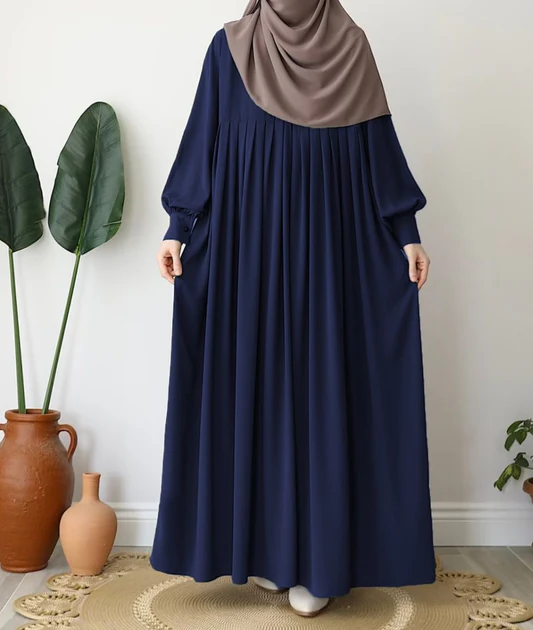
The abaya, a traditional garment commonly worn by women in many Islamic cultures, has evolved significantly over time. Originally a simple, loose-fitting cloak, the abaya has diversified into a plethora of styles and variations that reflect regional cultures and modern fashion trends. Each region has its own unique take, incorporating different elements that enhance the garment’s aesthetic value while maintaining its traditional roots.
In Saudi Arabia, the abaya has traditionally been black, symbolizing modesty and elegance. However, contemporary designs now feature a range of colors, materials, and embellishments. Designers are increasingly using lightweight fabrics such as chiffon, silk, and jersey, allowing for greater comfort in varied climates. Many modern abayas are adorned with intricate embroidery, beading, or lace, showcasing craftsmanship and creativity. The emphasis on personalization is also noteworthy, with many women opting for tailored pieces that suit their individual style while still adhering to cultural expectations.
In the United Arab Emirates, the abaya has taken on a more fashion-forward approach. Fashion designers often showcase their versions during high-profile events like Dubai Fashion Week, where abayas are designed with bold prints, vibrant colors, and avant-garde cuts. These pieces often blend traditional silhouettes with modern aesthetics, creating garments that appeal to younger generations. Embellishments such as sequins and crystals are common, reflecting the luxurious lifestyle prevalent in the region.
Beyond the Arabian Peninsula, variations can be found in other Muslim-majority countries, where local traditions influence the design of the abaya. For instance, in South Asia, elements of local embroidery can be seen, while in North Africa, the abayas may feature distinct patterns and styles unique to the region. This merging of traditional designs with modern influences demonstrates the abaya’s adaptability as a garment that can be both culturally significant and stylish in contemporary society.

The Abaya in Contemporary Fashion
The abaya, traditionally a simple, loose-fitting garment, has undergone a remarkable transformation in contemporary fashion. Designers are increasingly reinterpreting this classic piece, infusing it with modern aesthetics and trends that appeal to fashion-forward consumers. This evolution reflects a broader movement towards blending cultural heritage with contemporary styling, allowing the abaya to maintain its significance while adapting to modern tastes.
One notable trend is the incorporation of vibrant colors, unique patterns, and luxurious fabrics into abaya designs. As a result, the garment is no longer confined to black fabric but is now available in a spectrum of shades and intricate designs. This shift not only caters to a diverse audience but also enhances the garment’s appeal as a fashion statement. Influencers play a pivotal role in driving this change by showcasing diverse ways to style the abaya on platforms such as Instagram and TikTok. Their ability to reach wide audiences has contributed significantly to reshaping perceptions of the abaya, making it a desirable item for both everyday wear and special occasions.
The rise of luxury abayas has also marked a significant change in the contemporary fashion landscape. High-end designers are now presenting collections that highlight exquisite craftsmanship, often featuring intricate embroidery, embellishments, and innovative silhouettes. These luxury pieces are frequently spotted at global fashion shows, underscoring the abaya’s increasing stature in the fashion world. With a growing market for high-quality abayas, consumers are presented with options that blend tradition with modern elegance, thereby solidifying the garment’s role as a contemporary fashion staple.
The intersection of social media and modern fashion trends has breathed new life into the abaya, allowing it to reach an international audience. As a result, the abaya is evolving beyond its traditional roots, incorporating diverse influences and appealing to a global market, while still upholding its cultural significance in today’s fashion narrative.
Cultural Significance and the Future of the Abaya
The abaya is more than just a piece of clothing; it carries profound cultural significance, particularly in many Middle Eastern societies. Traditionally, it has symbolized modesty, identity, and cultural heritage. In recent years, the abaya has entered discussions surrounding feminism and women’s rights, as various interpretations of it can either be seen as a symbol of oppression or empowerment. Women in different regions choose to wear the abaya for various reasons, empowering them to express their individuality within the framework of cultural practices. This duality in perception illustrates the garment’s complex role in contemporary society.
As globalization continues to influence cultural norms, the future of the abaya is expected to witness a fascinating evolution. With fashion trends blending traditional attire with modern aesthetics, many designers are incorporating innovative elements into abaya designs. This transformation reflects changing attitudes toward modesty and personal expression. In many cases, the abaya has started to feature vibrant colors, intricate patterns, and varied fabrics, allowing women to maintain their cultural identity while also embracing contemporary fashion paradigms.
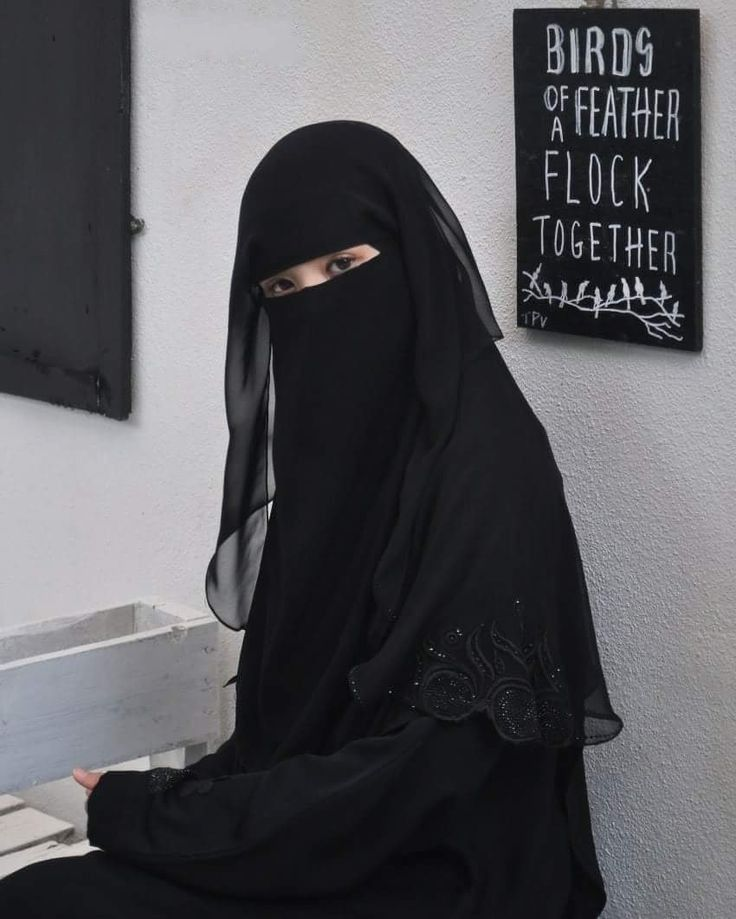
Moreover, as globalization fosters increased cultural exchange, the abaya has the potential to be redefined in the international arena. It might inspire cross-cultural garments that symbolize unity and respect for diversity. In this context, the abaya could also engage in important conversations about cultural heritage and traditional values, encouraging a deeper understanding of identity in a rapidly changing world. The adaptability of the abaya signifies that while it holds strong rootedness in cultural significance, it is also poised for a promising future as a symbol of modernity and self-expression.