
Defining Luxury Fabrics
Luxury fabrics represent the pinnacle of sophistication and refinement in the world of textiles. They are characterized by their superior quality, exquisite texture, and unique attributes that set them apart from regular fabrics. Unlike standard materials, luxury fabrics are often made from premium fibers, such as silk, cashmere, and fine wool, which contribute to their exceptional feel and durability. These high-quality fibers not only enhance the aesthetic appeal but also provide durability, making luxury fabrics a wise investment for those seeking long-lasting elegance in their wardrobe.
The defining characteristics of luxury fabrics extend beyond their physical attributes. The craftsmanship involved in their production plays a crucial role in their distinction. Many luxury fabrics are handcrafted or produced in limited quantities, which adds an element of exclusivity. This meticulous process often includes detailed weaving techniques or intricate printing methods, resulting in fabrics that possess unique patterns and colors. The rarity of certain luxury materials, such as alpaca and pima cotton, further elevates their status in fashion and design circles.
Furthermore, cultural connotations associated with luxury fabrics vary across regions. In some cultures, materials like silk are traditionally tied to historical significance and opulence, while others may view fabrics like cashmere as a status symbol reflecting wealth and prestige. Luxury fabrics have become synonymous with high fashion, influencing product offerings from elite designers and prestigious fashion houses, reinforcing their connection to glamour and elite lifestyle aspirations.
In essence, luxury fabrics embody a commitment to quality and style, allowing individuals to express their personal aesthetics while indulging in comfort. The choice to incorporate luxury fabrics into one’s attire is not merely an expression of personal taste but also a reflection of an appreciation for the meticulous artistry and cultural significance that these materials represent.
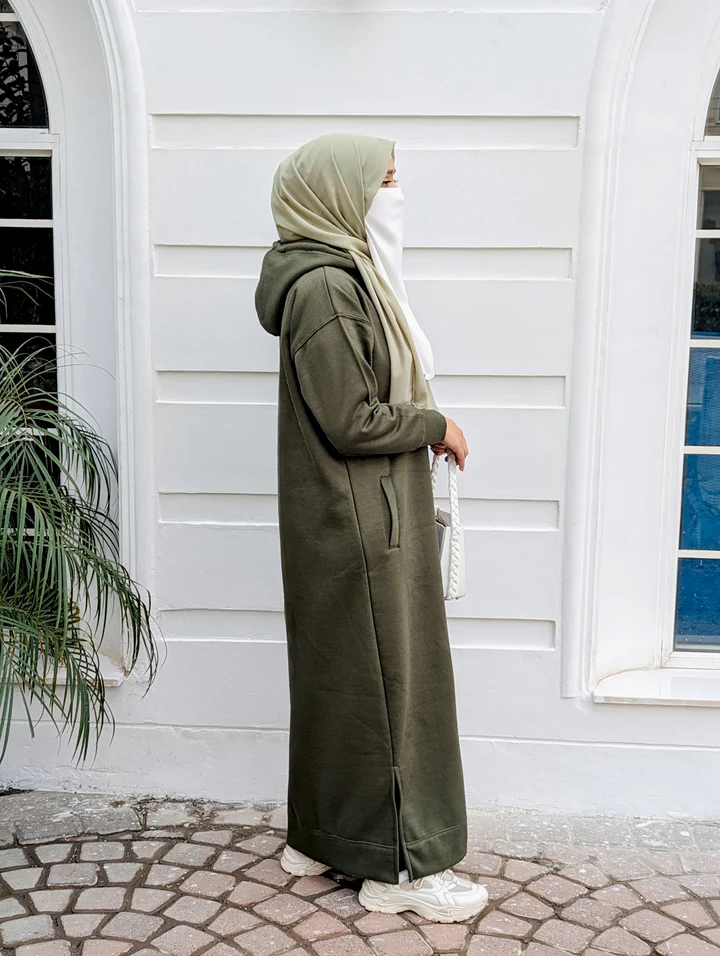
Types of Luxury Fabrics
Luxury fabrics are synonymous with elegance, comfort, and quality, often used in high-end fashion and upholstery. Among the most prominent types, silk stands out due to its breathable quality and natural sheen. Originating from the cocoons of silkworms, this fabric is known for its soft texture and humidity-regulating properties, making it an ideal choice for both clothing and home décor. The delicate nature of silk requires careful handling, often resulting in a higher price point that reflects its premium status.
Another celebrated luxury fabric is cashmere, derived from the soft undercoat of cashmere goats. Renowned for its unparalleled warmth and softness, cashmere is a favored choice for sweaters and scarves. The intricate process of collecting and processing cashmere requires meticulous care, thus contributing to its elevated cost. It is essential for consumers to recognize authentic cashmere, which is typically lighter yet warmer than other wool options, providing a unique tactile experience.
Velvet is another fabric that epitomizes luxury, characterized by its rich texture and rich colors. Made from a variety of fibers, the most indulgent velvets are those constructed from silk or a silk blend. Velvet’s dense pile gives it a unique depth, often making it a popular choice for upholstery, drapery, and eveningwear. The fabric’s history spans centuries, often associated with opulence in royal decor and attire.
Lastly, high-thread-count cotton represents luxury in everyday fabric, commonly found in premium bed linens and clothing. The smoothness and durability of cotton increase with thread count, making it a desirable choice for those seeking comfort and quality in their textile options. When shopping for luxury fabrics, awareness of their origins and processing can significantly enhance one’s appreciation for their unique qualities.
The Production Process of Luxury Fabrics
The journey of luxury fabrics begins with the careful sourcing of high-quality raw materials. Key to this process is the selection of natural fibers such as silk, cashmere, and fine cotton, which are prized for their texture, durability, and sheen. Sustainable sourcing practices have gained importance in recent years, with many manufacturers prioritizing eco-friendly materials and ethical production methods. This commitment ensures that the impact on the environment is minimized while fostering fair labor practices within the supply chain.
Once the raw materials are sourced, they undergo meticulous processing. For instance, cashmere wool is harvested from goats in specific regions where conditions enhance the fiber’s quality. After being meticulously collected and cleaned, the fibers are spun into yarn. This stage is crucial, as the finesse of the spinning process directly affects the resulting fabric’s quality. The yarn then proceeds to dyeing, where natural or low-impact dyes are often utilized to adhere to sustainable practices, resulting in vibrant, rich colors that do not harm the environment.
Following dyeing, the fabric is woven or knitted, employing traditional craftsmanship techniques that have been passed down through generations. Artisans implement intricate patterns and weaves that add to the luxurious feel of the final product. This craftsmanship requires considerable skill and experience, as the complexity of luxury fabrics often demands a delicate balance between heritage techniques and modern innovations. The finishing touches—such as raising, brushing, or hand-embellishing—further refine the textiles, ensuring that they not only look exquisite but also feel incredible against the skin.
Ultimately, producing luxury fabrics is a labor-intensive endeavor that requires sustainability, ethics, and extraordinary craftsmanship. The intricate processes involved are integral in preserving the heritage of textile production, thereby underscoring the intrinsic value attributed to luxury fabrics in the market.
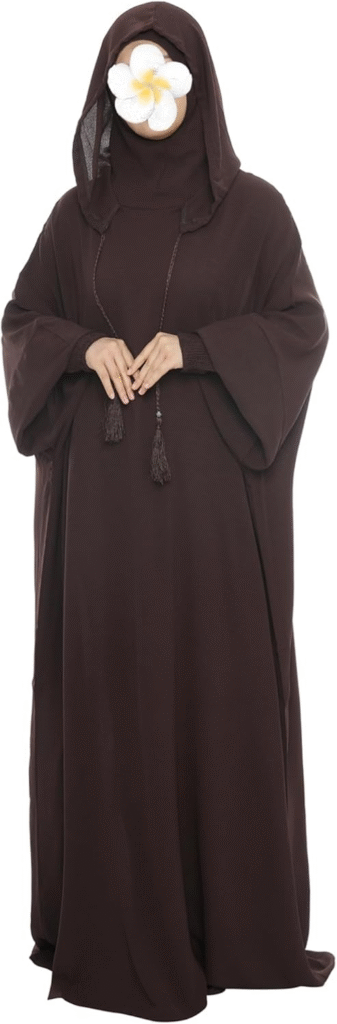
Caring for Luxury Fabrics
Luxury fabrics, cherished for their elegance and quality, require meticulous care and maintenance to ensure their longevity and sublime appearance. It is essential to understand that each type of luxury fabric has specific requirements that differ significantly from everyday materials. By adhering to proper cleaning, storing, and preserving practices, one can maintain the allure and integrity of these exquisite textiles.
When it comes to cleaning luxury fabrics, always refer to the label for specific instructions. Many luxury items may need dry cleaning to avoid any damage. However, for lightly soiled surfaces, spot cleaning with a gentle fabric cleaner can be effective. Additionally, using a soft brush or microfiber cloth can help in removing dust and particles without causing harm. It is crucial to test any cleaning method on an inconspicuous area before applying it broadly to avoid discoloration or fabric damage.
Storing luxury fabrics appropriately can also contribute significantly to their longevity. Ideally, items should be stored in a cool, dry place away from direct sunlight, which could fade colors over time. Utilize breathable garment bags for clothing and acid-free tissue paper for delicate items. Avoid overcrowding in storage, as this may cause creases or shape distortion. For fabrics like silk, it is advisable to hang, while wool or cashmere should be folded to prevent stretching.
Preserving the quality and elegance of luxury fabrics goes beyond mere cleaning and storing; it is an ongoing commitment. Regular inspections for signs of wear or damage will allow for prompt repairs, preventing minor issues from escalating into extensive damage. Investing in luxury textiles is not solely about acquiring high-end items; it is equally about committing to the maintenance and care that ultimately protect these precious investments for years to come.