Defining the Abaya
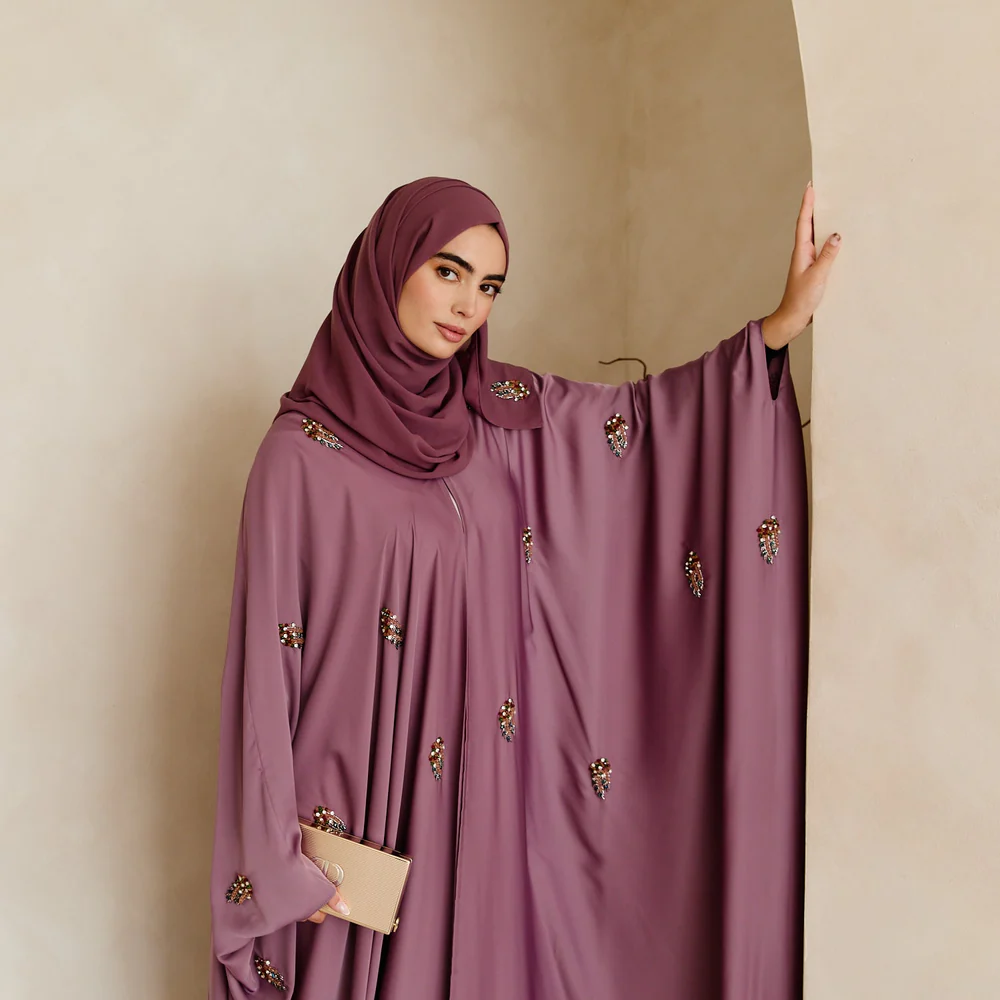
The abaya is a traditional garment worn by women in various cultures, most notably in the Arab world. Typically, it is a loose-fitting, full-length robe that serves both as modest clothing and a cultural symbol. Traditionally, the abaya has been constructed from lightweight, flowing fabrics such as crepe, chiffon, or cotton, allowing for comfort in the warm climates of the Middle East.
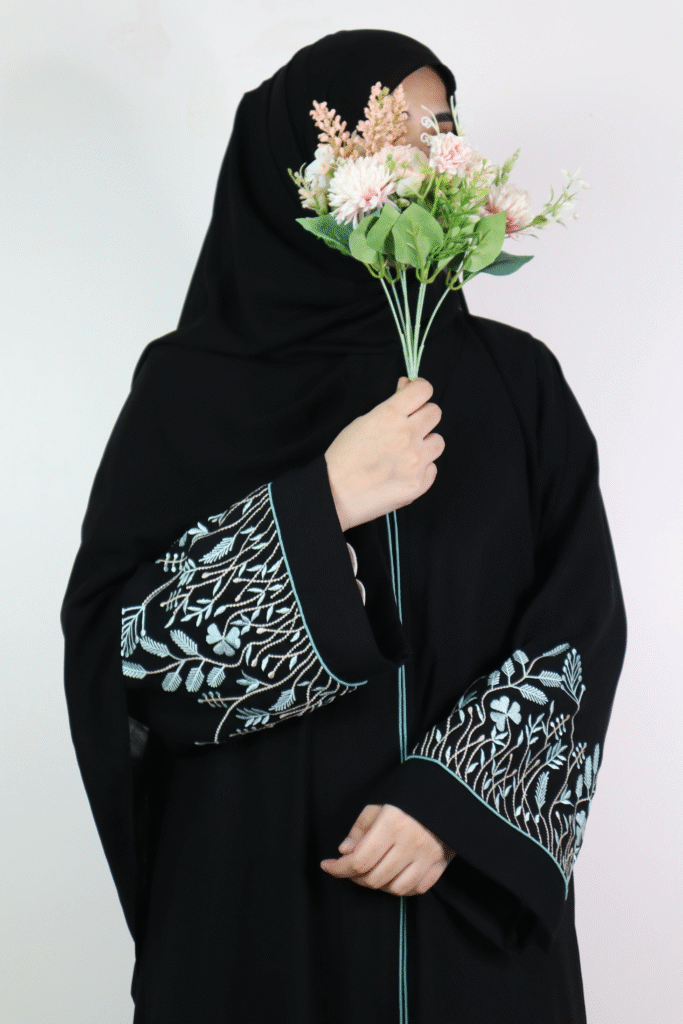
The design of the abaya is generally characterized by its simplicity, often featuring long sleeves and a high neckline, which underscores its purpose of providing modesty. Colors can vary widely from basic black to vivid hues, with some modern abayas embellished with intricate patterns, embroidery, or decorative elements. In contemporary contexts, many designers are exploring different styles and materials, bringing a modern twist to this classic garment.
The abaya is traditionally worn over regular clothing and is typically accompanied by a headscarf, known as the hijab, which contributes further to the modesty of the outfit. The wearing of the abaya is not exclusively limited to religious or ceremonial occasions; it has become a staple in everyday life for many women. In urban settings, for example, the abaya might be seen during shopping trips, business meetings, or social gatherings, reflecting its versatility as both a functional and fashionable piece
Cultural and Religious Significance
The abaya holds substantial cultural and religious significance within various societies, particularly in the Middle East and North Africa. Primarily recognized as a traditional garment for women, the abaya embodies the Islamic principles of modesty, privacy, and morality, which are cornerstones of the faith. Its design, usually loose-fitting and often accompanied by a hijab, aims to conceal the shape of the woman’s body, reflecting a profound respect for these principles. This adherence to modest clothing is not solely a personal choice but is often deeply rooted in the values and teachings associated with Islamic culture.
In several societies, the abaya serves as a symbol of cultural identity and heritage. While it can be seen as a uniform attire, its texture, color, and embellishments often vary from one country to another, allowing women to express their individuality while maintaining cultural conformity. For instance, in Saudi Arabia, the abaya may range from plain black to elaborate designs with intricate embroidery, reflecting both the woman’s personal style and the cultural context she inhabits. Meanwhile, in other regions, such as the United Arab Emirates, the garment is also associated with high fashion, indicating that modern interpretations of the abaya are being embraced alongside traditional values.
The interpretations of the abaya further differ across various communities. In some areas, wearing the abaya is considered a mandatory practice for Muslim women, while in others, it remains a choice marked by personal or familial preference. As women engage in contemporary society, the abaya’s roles continue to evolve, prompting discussions about gender equality, personal freedom, and cultural preservation. Through its multifaceted significance, the abaya stands as a testament to the diverse expressions of identity and belief among Muslim women, encapsulating the intersection of cultural tradition and contemporary life.
Fashion and Modern Interpretations
The abaya, a traditional garment worn predominantly in the Arab world, has undergone a remarkable transformation in recent years, reflecting broader changes in fashion and societal norms. Once solely recognized as a modest covering, contemporary abayas have embraced modern aesthetics, offering increasingly diverse styles that resonate with younger generations. Designers are creatively reimagining the abaya, incorporating elements that mirror global fashion trends while still honoring its cultural significance. This evolution allows the garment to maintain its relevance in a fast-paced fashion landscape.
Today, abayas showcase an array of designs, fabrics, and colors. Innovations in material selection, like lightweight and breathable fabrics, have made them more suitable for various climates, enhancing both comfort and style. Additionally, the inclusion of intricate embellishments and unique patterns has transformed traditional looks into high-fashion statements. Designers often draw inspiration from art, architecture, and even nature, ensuring that each piece is not only a representation of identity but also an expression of personal style. This shift has contributed to a renewed interest in abayas among young women, who seek to blend fashion with modesty in a way that feels contemporary.
Fashion shows and designer collections are increasingly showcasing the abaya on prominent platforms, highlighting its place within the global fashion industry. High-profile events often feature iconic runway presentations dedicated to abaya fashion, where established and emerging designers present their latest interpretations. These showcases have played a pivotal role in demystifying the garment and presenting it as a versatile piece that transcends cultural and geographical boundaries. Consequently, the abaya is not only seen as a cultural symbol but also as a fashionable choice that contributes to the dialogue surrounding modern femininity and identity.
Personal Stories and Experiences
The abaya holds varied significance for women across different cultures and backgrounds, and personal stories often illuminate the deep emotional connection that these women have with this traditional garment. For many, the abaya serves not only as a form of modesty but also as a powerful symbol of identity and cultural pride. Fatima, a university student from the Middle East, shares her journey of choosing to wear the abaya as a way to embrace her heritage. She recounts how, from a young age, her mother instilled in her the values of modesty, and wearing the abaya became a matter of personal choice rather than imposition. Fatima highlights that, while she appreciates the beauty and elegance of the abaya, it is its connection to her family’s traditions that makes it special.
In contrast, others have faced challenges while adopting the garment. Yasmin, who moved to a Western country, describes initial experiences of being judged for her choice to wear an abaya. She conveys feelings of isolation and misunderstanding; however, her resolve to wear the abaya stems from a desire to express her cultural identity in a foreign landscape. Yasmin mentions that despite occasional scrutiny, she has found a supportive community that celebrates diversity, where the abaya is regarded not merely as clothing but as a statement of empowerment and self-expression.
These personal narratives reflect how the abaya serves as a source of comfort and familiarity for many women. It can be a protective layer in social interactions while fostering a sense of belonging within their cultural context. Through various perspectives, it becomes evident that the abaya is much more than fabric; it embodies stories of resilience, personal growth, and a profound connection to cultural heritage. This duality of empowerment and challenge informs the broader understanding of the abaya in women’s lives today.