
Understanding the Abaya: Definition and Origins
The abaya is a loose-fitting, often black robe that has become synonymous with traditional modesty in many Arab and Muslim cultures. Its primary purpose is to provide a layer of modesty for women, allowing them to adhere to cultural and religious norms while offering a simple yet elegant attire. The origins of the abaya can be traced back to ancient Arab civilization, where it served practical purposes in the harsh desert climate. Traditionally, it was worn over everyday clothing, providing protection against the sun and sand, while also signifying the wearer’s social status.
Throughout history, the abaya has evolved significantly, reflecting both regional styles and broader societal changes. In the Arabian Peninsula, it is predominantly associated with traditional black fabric, but variations appear in materials, colors, and embroidery, especially in countries like Saudi Arabia, the UAE, and Qatar. In these regions, the abaya is not just a garment; it also denotes cultural identity and can express personal style, with many women opting for intricate designs that incorporate embellishments and contemporary fashion trends.
The cultural significance of the abaya extends beyond mere clothing; it embodies values of respect, dignity, and adherence to tradition. In many societies, the abaya is viewed as a symbol of a woman’s choice to dress modestly according to her beliefs. While the garment has deep roots in Islamic culture, it has gained acceptance beyond the Arab world, often adopted by women in various contexts as a fashion statement or a symbol of cultural pride.
As we observe the abaya’s transition through time, it becomes clear that this versatile garment is more than just an article of clothing; it represents a connection to heritage, individual identity, and the shifting dynamics within societies. Its presence continues to be a powerful testament to the enduring legacy of cultural expression across generations.
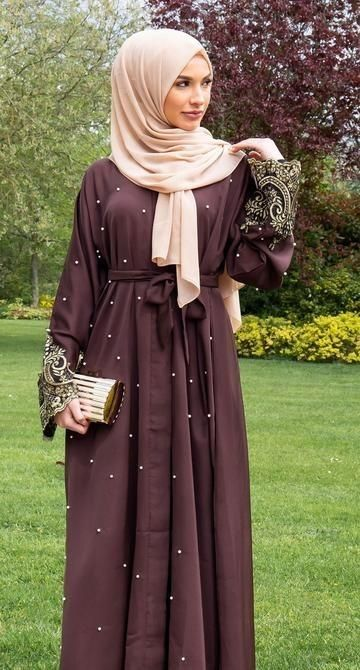
The long sleeve abaya is an exquisite blend of modesty and style, crafted to elevate your everyday wardrobe. Whether you’re dressing for a casual outing, a formal event, or seeking comfort in your daily wear, this abaya is a perfect choice. Designed to suit a variety of occasions, it offers grace and sophistication while ensuring you stay comfortably chic.

Modern Interpretations of the Abaya
The abaya, a traditional garment embodying modesty and elegance, has experienced a remarkable evolution in contemporary fashion. Today, designers from various cultural backgrounds are reinterpreting this iconic piece, merging traditional elements with modern aesthetics. This fresh perspective not only honors the garment’s origins but also caters to the tastes and preferences of a diverse array of women. The modern abaya comes in various styles, cuts, and colors, providing wearers with options that reflect their individuality while preserving cultural significance.
One of the most striking developments is the introduction of innovative cuts and silhouettes. Traditional straight-cut abayas have been reimagined into asymmetrical designs, A-line shapes, and even tailored fits. These variations allow for a more personalized expression of style, accommodating different body types and personal preferences. The incorporation of diverse fabrics also plays a crucial role. While the classic abaya is typically made from flowing materials like chiffon or crepe, modern interpretations boast the use of luxurious silks, soft cottons, and even synthetic blends that provide both comfort and style.
Another significant aspect of contemporary abaya design is the inclusion of embellishments. From intricate embroidery and lace overlays to contemporary prints and graphic designs, embellishments have become a hallmark of modern abayas. These artistic additions not only elevate the garment’s aesthetic but also enable women to make a fashion statement while respecting cultural values. Additionally, several designers are embracing sustainable practices, opting for eco-friendly materials and methods that resonate with the growing demand for responsible fashion.
The balance between tradition and modernity is essential in this evolving landscape. Many contemporary abayas successfully blend chic elements with the modesty required by fashion norms, appealing to women seeking both style and respect for cultural heritage. By embracing modern interpretations, the abaya continues to inspire confidence and creativity, staying relevant in today’s diverse fashion scene.
Wearing the Abaya: A Guide for Every Woman
The abaya, a versatile and elegant garment, is suitable for women of all shapes and sizes, transcending cultural boundaries. When worn correctly, it not only provides modesty but also enhances personal style. Tailoring one’s look with the abaya can be achieved effortlessly by pairing it with various accessories and footwear to adapt to different settings, whether casual or formal.
For casual outings, a lightweight, cotton abaya paired with comfortable sandals or trendy sneakers offers a relaxed yet chic appearance. Opting for a vibrant color or playful patterns can add a modern twist to this traditional garment. Accessories like a crossbody bag or minimalistic jewelry can further elevate the casual look without overwhelming the overall ensemble. Additionally, layering with a denim jacket or a lightweight cardigan can provide warmth while maintaining a fashionable edge.
In contrast, for formal events, selecting an abaya made from luxurious fabrics like silk or chiffon can exude sophistication. Rich colors, such as deep navy or emerald green, combined with intricate embellishments, will certainly make a statement. Complementing the look with elegant heels and a tasteful clutch can enhance the overall outfit. Furthermore, long statement earrings and a delicate bracelet can bring in a touch of glam while ensuring comfort and propriety are maintained.
When choosing the right abaya, it is essential to consider body type and personal style. A-line or empire waist designs are flattering for curvier figures, whereas those with a straighter silhouette might opt for a more tailored cut. Ultimately, selecting an abaya that resonates with one’s aesthetic while catering to comfort ensures that any woman can confidently carry off this timeless garment.
The Abaya in a Global Context: Empowerment and Identity
The abaya, traditionally seen as a modest garment worn predominantly in Muslim cultures, has evolved into a powerful symbol of empowerment and personal identity for women around the world. In many societies, the abaya is more than just clothing; it represents a complex interplay of cultural heritage, personal expression, and social norms. For numerous women, wearing the abaya is a conscious choice, allowing them to navigate their identities while simultaneously embracing their cultural roots.
In various regions, women have shared their personal stories about how the abaya empowers them. For instance, in some Middle Eastern countries, women report feeling a sense of pride and autonomy when donning this garment, as it enables them to assert their cultural identity while participating in the global community. This sense of empowerment transcends geographic boundaries, finding resonance among women from different backgrounds who choose to wear the abaya as a statement of solidarity and cultural awareness.
Moreover, the perceptions of the abaya in global contexts often differ significantly from those within its cultural origins. While some may mistakenly associate the garment solely with oppression or restraint, many women highlight its role as a means of personal choice and self-expression. Enlightening discussions surrounding the abaya help to dispel misconceptions and foster a deeper understanding of its significance. The abaya’s design, available in various styles and colors, allows for individual interpretation, further emphasizing the concept that modesty need not compromise fashion or personal style.
As cultural conversations evolve, so does the narrative surrounding the abaya, underscoring its importance as a garment that empowers women expressing their identity and values. Ultimately, wearing the abaya becomes an assertion of agency, demonstrating that women can choose how they wish to be perceived while remaining true to their cultural heritage.